Porto Cancelled 1,413 Tourist Rental Licences and Delivered 448 Homes
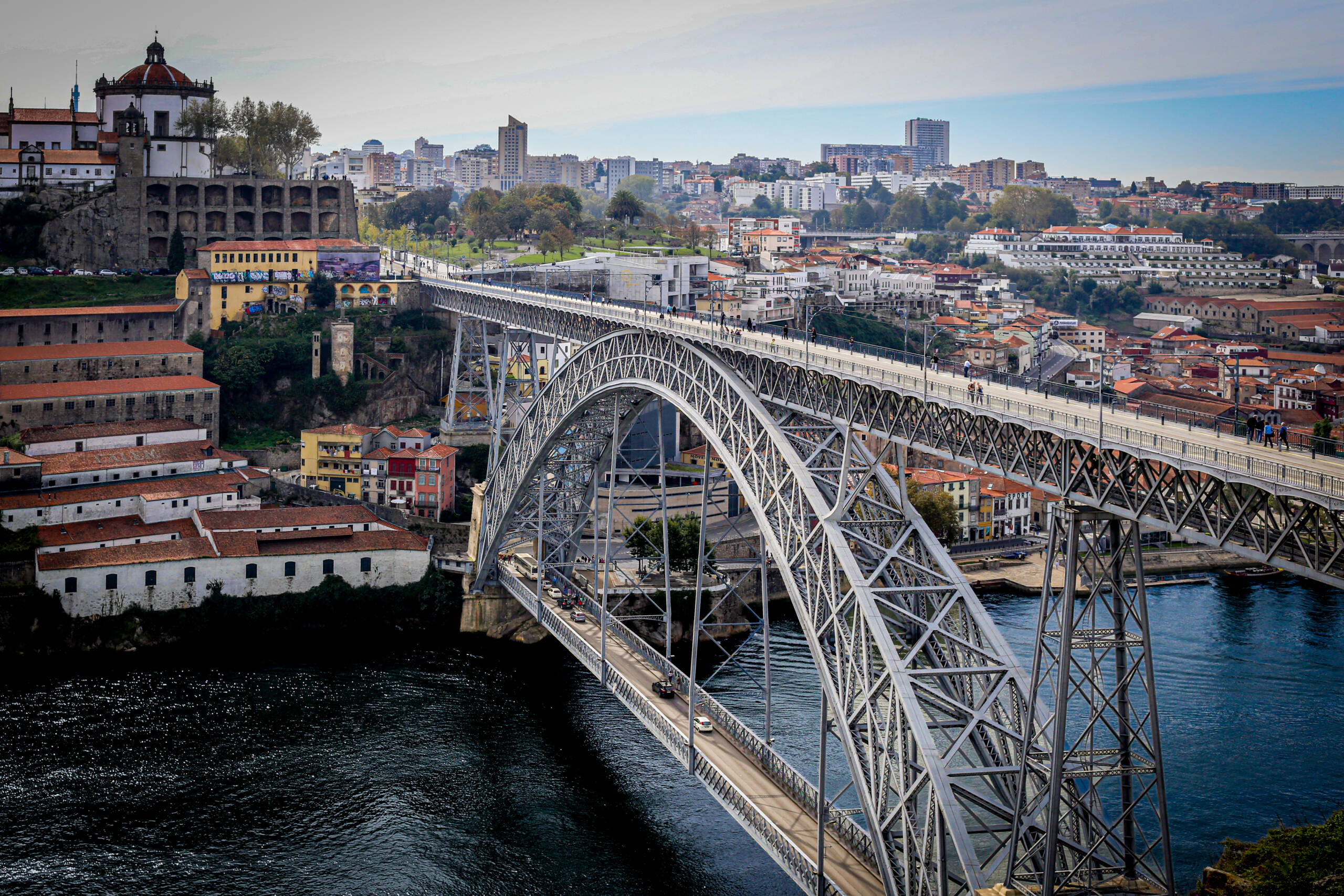
Stand on the upper deck of the Dom Luís I bridge and look west, and almost everything in the frame on the Porto bank sits inside a containment zone. Sé, Vitória, São Nicolau, Miragaia. These are the parishes where the city stopped issuing new short-term rental registrations, first as a temporary moratorium in 2022, then permanently under Municipal Regulation 495-A/2023, which split the city into containment areas and sustainable growth areas according to how much of each parish’s housing stock had gone over to tourists.
In May the city went further. Porto moved to cancel 1,413 alojamento local registrations, about 13% of the 10,821 active in the municipality. The trigger was not zoning. It was insurance. Operators are required to file proof of civil liability cover with the national register, and these ones had not. The association that represents the sector reckons somewhere between half and 60% of the cancellations fall inside the historic centre, and under the rules in force those registrations cannot come back. Cancel a licence in a containment parish and the tourist use dies with it.
That is a clever piece of administration. The city did not have to win a new political fight or pass a new restriction. It used a paperwork requirement already on the books to take out a chunk of supply that will never be replaced. The timing helps too. Since 20 May the EU short-term rental regulation obliges platforms to check registration numbers and pull listings that do not have one, so the cancelled operators lose their shopfront at roughly the same moment they lose their licence.
Cancelled is not the same as housed
Here is the part that gets skipped. A licence that disappears does not become a family’s home. Alojamento local covers stays of up to 30 days. Write a furnished lease for 31 days instead and you are in a different legal regime entirely, one with no registration number, no containment map and no municipal veto. Porto has a large, well-paid, temporary population of remote workers, visiting academics and consultants who will take that contract at a price no local household on a Portuguese salary can match. Other units will be sold. Some will be folded into hotel projects, which the containment rules do not touch.
So the honest way to read the 1,413 is as a reduction in the tourist accommodation stock, with an unknown and probably small fraction of it landing in the long-term rental market. Nobody in the câmara has published a number for the fraction, and that is the number that matters.
The addition side is much slower
Pedro Duarte, mayor since November and the first non-independent to run the city in twelve years, has put real money behind the other half. Housing takes €48.9 million of a €491.3 million municipal budget for 2026, the largest single line alongside environment and mobility. The target for the mandate is 1,600 homes. As of July the count stood at 448 delivered, 588 units under municipal management, another 150 promised by the end of the year, and 455 more coming through build to rent partnerships with private capital.
Those partnerships are worth looking at closely, because they are the model everyone else in Portugal will copy if they work. At Jardins do Oriente in Campanhã, an insurer financed 151 units and the council itself signs as tenant, then sublets to residents for at least ten years at the same rent it pays. Monthly rents run between €535 and €950 depending on size. The second and larger project, Cartes Living, adds 331 homes in the same part of the city with Sonae Sierra and Solive.
Set 1,600 against the market they are landing in. National house prices rose 17.6% in 2025, the strongest year in the series. Median asking rents in Porto are around €16.4 per square metre. The European Commission puts Portuguese property at roughly a quarter above what fundamentals justify, and the average Portuguese wage is about €1,333 a month, which is why a standard flat in the Porto metro now eats more than half of a typical household’s income. Sixteen hundred subsidised units is a serious municipal effort. It is also a rounding error against that.
The brake nobody mentions
The third policy is the one that sits awkwardly with the other two. Duarte has said publicly that Porto is approaching a limit on density and built form, that the construction boom of recent years needs a reasonable point of equilibrium, and that he intends to moderate it, particularly building height. He is not wrong that the city has absorbed a lot of new stock fast, and quality of life in a compact historic city is a legitimate thing to defend.
But a housing programme that subtracts tourist licences, adds a few hundred subsidised units a year and brakes private construction is running two levers toward less supply and one toward more. The mayor’s stated goal is to bring residents back to the historic centre. The historic centre is precisely where the containment rules bite, where the UNESCO buffer limits what can be built, and where the paperwork cancellations just landed.
Two things are worth watching over the next year. Whether the units freed by the cancellations show up in Porto’s long-term listings or vanish into 31-day contracts. And whether the build to rent model scales past the point where the council is willing to stand as guarantor on the lease.